
Key Takeaways
- Active aging focuses on supporting physical, emotional, social, and spiritual well-being while encouraging independence.
- Older adults may face challenges with mobility, social connection, and daily responsibilities that can make staying active more difficult.
- Assisted living communities provide opportunities for fitness, hobbies, educational programs, and social engagement based on each resident’s interests.
- Personalized care plans adapt to changing needs while respecting personal routines, preferences, and individual choices.
- Families can expect open communication and coordinated support throughout their loved one’s journey.
Active Aging and What It Really Means
Growing older doesn’t mean giving up the activities, relationships, and routines that make life meaningful. Active aging is about finding ways to stay engaged, maintain independence, and continue enjoying each day, even as personal needs change over time. For many families, finding the right environment to support those goals is an important part of helping a loved one thrive.
Assisted living encourages active aging by combining personalized support with opportunities to stay physically, socially, emotionally, and spiritually engaged. Instead of focusing only on care needs, the right community helps older adults continue living with purpose while providing assistance whenever it’s needed.
Common Challenges Older Adults Face
Many older adults want to remain active and independent, but everyday changes can make that more difficult over time. Recognizing these challenges is the first step toward finding the right support while continuing to enjoy a fulfilling lifestyle.
Staying Physically Active
Changes in strength, balance, or mobility can make exercise feel more challenging than it once did. Having access to safe fitness opportunities, walking groups, or gentle movement programs makes it easier to stay active at a comfortable pace.
Maintaining Social Connections
Retirement, the loss of loved ones, or no longer driving can reduce opportunities to spend time with others. Without regular social interaction, feelings of loneliness and isolation can become more common.
Managing Everyday Tasks While Remaining Independent
Cooking, housekeeping, medication reminders, and home maintenance can gradually become more difficult to manage alone. When those responsibilities begin taking up more energy, they can leave less time for hobbies, friendships, and the activities that bring joy.
What Active Aging Looks Like in Assisted Living
Active aging looks different for every person. A supportive assisted living community recognizes that everyone has their own interests, routines, and goals, creating opportunities to stay engaged while respecting individual preferences.
Activities Based on Personal Interests
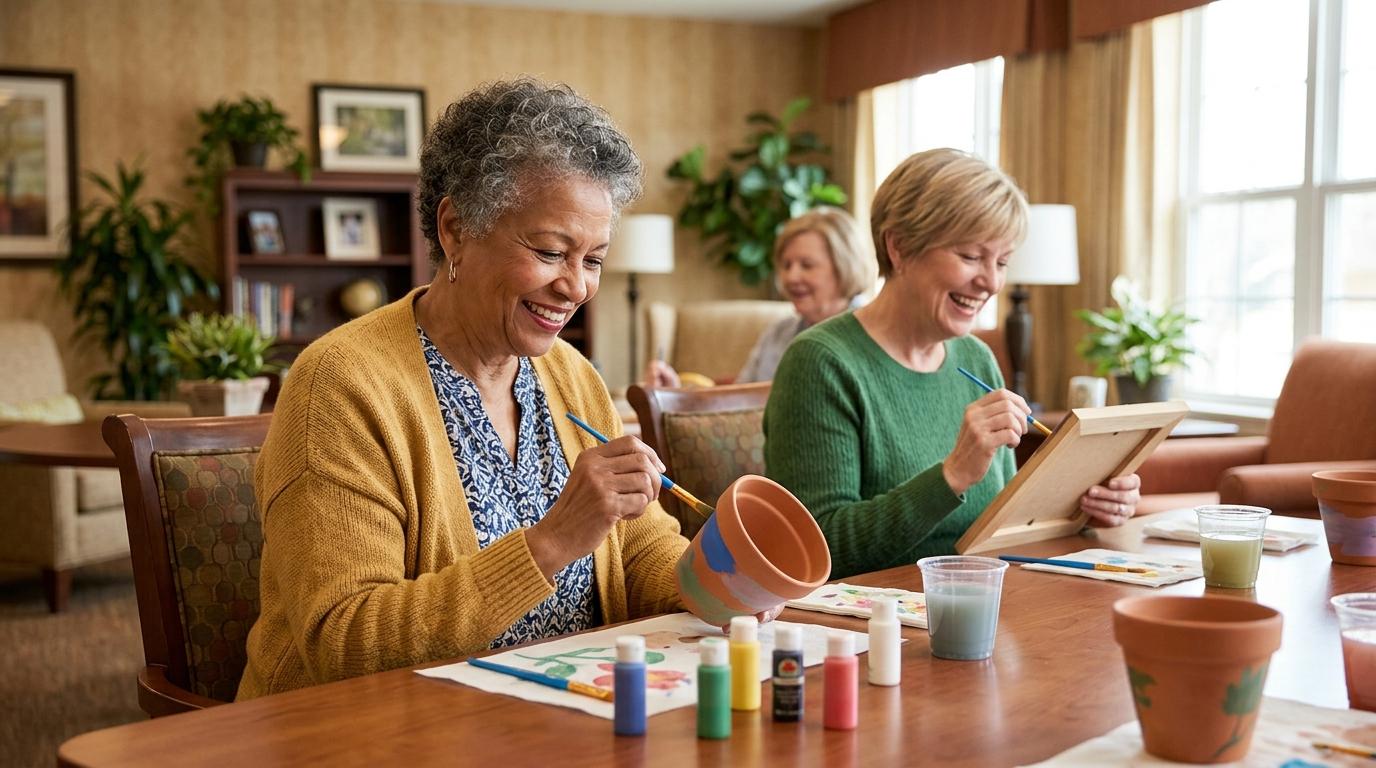
Residents have opportunities to participate in activities that match their hobbies and passions, whether that’s art, music, gardening, games, educational programs, or creative projects. A varied activity calendar helps every resident find something they genuinely enjoy.
Opportunities for Physical Wellness
Gentle fitness classes, walking opportunities, and movement-based programs encourage residents to stay active while working within their comfort level. Regular physical activity supports strength, mobility, balance, and overall well-being.
Emotional and Spiritual Well-Being
Active aging includes caring for emotional and spiritual health as well as physical wellness. Chaplain visits, group gatherings, and connections with local faith communities help residents continue practicing the traditions and beliefs that matter most to them.
Everyday Social Connection
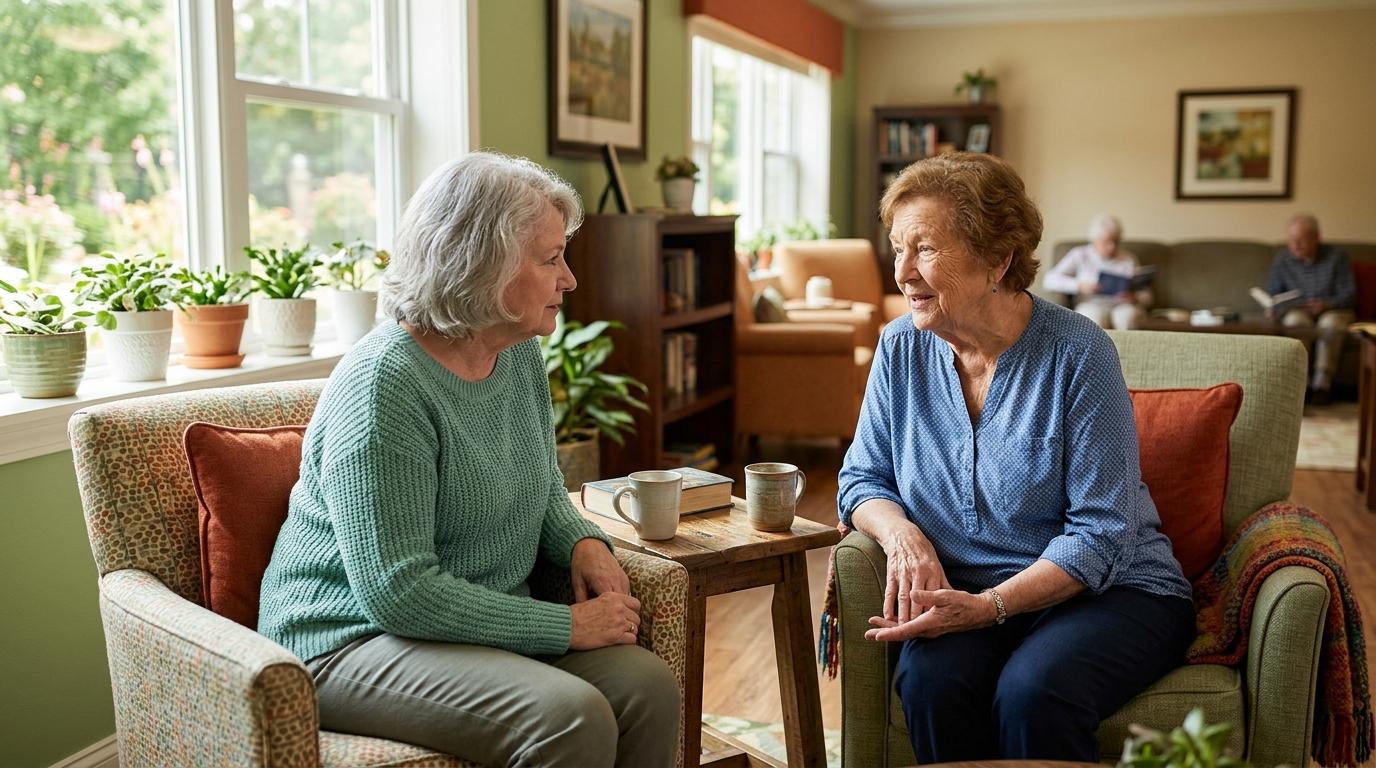
Shared meals, community events, and welcoming common spaces create natural opportunities to build friendships. Residents can participate as much or as little as they choose while knowing companionship is always close by.
A Comfortable Routine That Supports Independence
Maintaining familiar routines helps residents feel confident and comfortable each day. Whether choosing how to spend the morning or deciding which activities to attend, residents continue making meaningful choices about their daily lives.
How Personalized Care Supports Independence
Every resident arrives with unique experiences, preferences, and support needs. Personalized care plans recognize those differences, allowing assistance to grow and change over time without taking away independence.
To do so, communities offer:
- Assistance with activities of daily living when needed
- Medication management and wellness support
- Flexible care plans that adapt as needs change
- Respect for personal routines, preferences, and choices
- Coordinated services that simplify everyday life
With the right balance of support and independence, residents can spend less time managing daily responsibilities and more time focusing on the people and activities they enjoy.
What Families Can Expect From Sterling Pointe Senior Living
Choosing assisted living is an important decision for every family. At Sterling Pointe Senior Living, open communication, personalized care, and meaningful daily experiences help families feel confident that their loved one is receiving compassionate support while continuing to live an active, fulfilling life.
Our team takes time to get to know every resident as an individual, creating opportunities for connection, engagement, and independence every day. Schedule a tour at Sterling Pointe Senior Living today to see how assisted living can help your loved one stay active, engaged, and supported.