
Key Takeaways
- Independent living suits active seniors who want community with freedom
- Assisted living provides personalized, daily support for those who need it
- Both options offer connection, comfort, and a meaningful quality of life
- Watching for changes in daily tasks and social habits can guide your decision
- Starting the conversation with love and listening makes all the difference
Different Options, Different Goals
When your family starts talking about senior living, it’s easy to feel pulled in a hundred directions at once. You want the very best for your loved one, but knowing where to start can feel overwhelming.
The good news is that both assisted living and independent living can offer something genuinely wonderful, just in different ways.
The right choice comes down to where your loved one is today, what they may need in 6 months, and what kind of support helps them truly thrive. Taking a closer look at both options can help your family feel informed, prepared, and at peace with the path forward.
What Sets Assisted Living and Independent Living Apart?
Independent living is designed for active seniors who are largely self-sufficient but want the ease and joy of a supportive community. Think of it as all the perks of close-knit neighborhood life, without the burdens of home upkeep or isolation.
Assisted living provides hands-on, personalized care for those who need a little more help throughout the day. That might include help with meals, grooming, medications, or simply having a caring team nearby.
Both options are rooted in connection, comfort, and dignity, and both can feel like home.
Signs Your Loved One May Benefit from Assisted Living
Daily Tasks Are Becoming a Challenge
Sometimes the signs are small at first. Maybe your loved one is skipping meals, struggling to keep up with medications, or having a harder time with grooming and hygiene.
These changes can sneak up gradually, but they matter a great deal for long-term health and happiness.
Safety at home is another important signal to watch for. Frequent falls, forgetfulness around the stove, or difficulty navigating the home alone can all point toward a need for more consistent, thoughtful support.
Assisted living can bring that support directly into daily life, gently and reliably.
Social and Emotional Well-Being Matter Too
It’s not just physical needs that can shift over time. Loneliness has a real impact on mood, health, and overall well-being.
If your loved one has pulled back from friends, stopped doing activities they once loved, or seems quieter and more withdrawn than usual, that’s worth paying attention to.
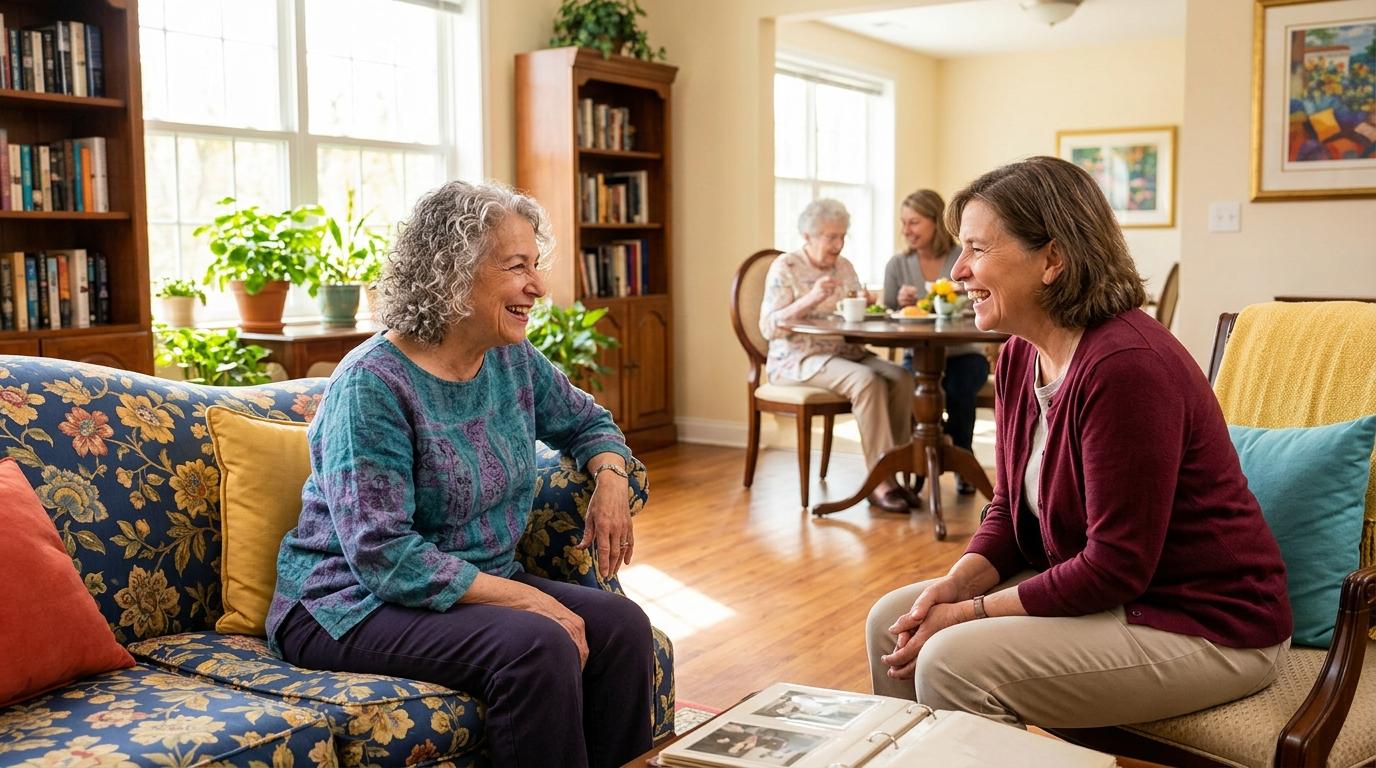
Assisted living communities create natural opportunities for connection. With activities, shared spaces, and a team that genuinely cares, residents often find themselves more engaged and uplifted than they were on their own.
Who Thrives in Independent Senior Living?
An Active Lifestyle with Meaningful Support
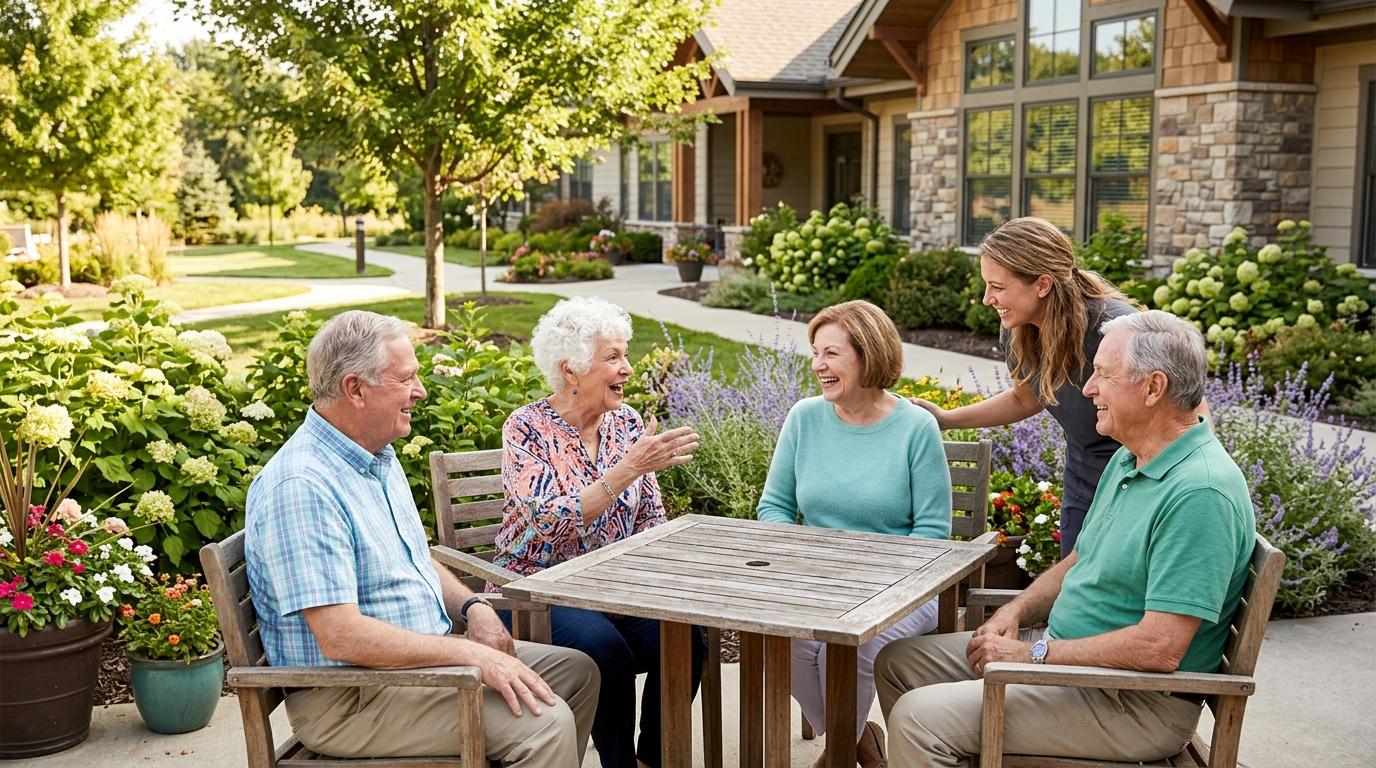
Independent living is a wonderful fit for seniors who value their freedom and want to keep directing their own lives. If your loved one is still active, social, and largely self-sufficient, this lifestyle can give them community without asking them to give anything up.
There’s real joy in living alongside neighbors, joining activities, and having help available when you want it, without it hovering over you when you don’t. It’s about living life on your own terms, with the bonus of never feeling alone.
Amenities That Enrich Everyday Life
Independent senior living communities typically offer a rich lineup of wellness programs, social activities, and convenience services. From fitness and spiritual wellness programs to services brought right to your door, daily life feels full rather than complicated.
Taking a look at available services and programs can give your family a clearer sense of what a typical day could look like.
These aren’t just nice extras. They’re the kind of touches that keep life feeling vibrant, purposeful, and deeply enjoyable. For many seniors, this setting offers more engagement and ease than living alone ever could.
How to Start the Conversation with Your Loved One
Bringing up senior living can feel like a delicate moment. The most important thing you can do is lead with love, not a checklist.
Let your loved one know the conversation is coming from a place of care, not pressure. Choose a comfortable, quiet place where you can have a meaningful discussion without interruptions or distractions.
Listen first. Ask what matters most to your loved one, what they’re worried about, and what they dream their days could look like. Once you’ve heard them out, touring a senior living community together can help turn an abstract idea into something real, warm, and even exciting.
Finding the Right Fit for Your Family
When exploring your options, look for a community that can grow alongside your loved one’s needs over time. A place that offers independent living, assisted living, and memory care under one roof means your family won’t have to start over if needs change down the road.
Consider the full picture, including emotional, spiritual, and physical support. Plan for what they need now and how those needs may change over the next 6 months.
Many communities offer multiple levels of care, allowing residents to stay in place when they transition from independent living to assisted living.
A team that truly listens, shows genuine warmth, and brings real passion to their work can transform a good living situation into a deeply meaningful one. Sterling Pointe Senior Living in Princeton is here to help your family take that next step with care and warmth in your heart.